Should You Go Through or Stop at a Yellow Traffic Light?
- Mar 15
- 4 min read
Every driver faces the moment of decision when approaching a yellow traffic light. The question is simple but critical: should you speed up to cross the intersection or slow down and prepare to stop? This split-second choice can affect your safety, the safety of others, and even your legal standing. Understanding the right approach to a yellow traffic light helps reduce accidents and keeps traffic flowing smoothly.
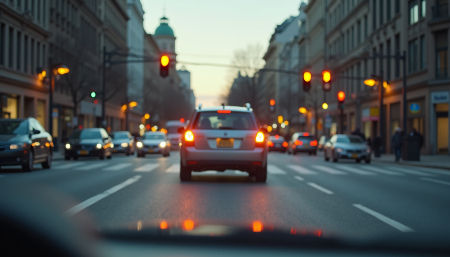
What Does a Yellow Traffic Light Mean?
A yellow traffic light signals that the green phase is ending and the red light is about to appear. It serves as a warning to drivers to prepare to stop safely. The yellow phase typically lasts between 3 to 6 seconds depending on the speed limit and road design.
The key purpose of the yellow light is to give drivers enough time to stop safely before the intersection becomes dangerous. It is not an invitation to speed up and beat the red light. The decision to stop or go depends on your distance from the intersection and your current speed.
When You Should Stop at a Yellow Light
Stopping at a yellow traffic light is the safest choice in many situations. Here are some clear indicators that stopping is the right action:
You are far enough from the intersection to stop safely without slamming on the brakes.
Road conditions are poor, such as wet or icy surfaces, which increase stopping distance.
Traffic is heavy or pedestrians are crossing, making it unsafe to rush through.
Your vehicle is not accelerating well, such as when carrying a heavy load or driving uphill.
You are unsure if you can clear the intersection before the light turns red.
Stopping smoothly at a yellow light reduces the risk of rear-end collisions and prevents running a red light, which can lead to fines or accidents.
When It Might Be Safer to Go Through
In some cases, stopping at a yellow light can be more dangerous than continuing through the intersection. Consider these situations:
You are very close to the intersection when the light turns yellow, making a sudden stop risky.
Vehicles are following closely behind you, increasing the chance of a rear-end collision if you brake abruptly.
Road conditions are slippery, and stopping suddenly could cause skidding.
Your vehicle is accelerating and can clear the intersection safely before the red light.
In these cases, it is safer to proceed through the yellow light rather than risk a sudden stop that could cause an accident.
Legal Considerations for Yellow Traffic Lights
Traffic laws vary by region, but generally, the yellow light means you must stop if it is safe to do so. Running a red light after a yellow can result in fines, points on your license, or even more severe penalties if an accident occurs.
Some jurisdictions have specific rules about the yellow light duration and how drivers should respond. For example, in many U.S. states, the yellow light duration is calculated based on the speed limit to allow enough time to stop safely.
Ignoring the yellow light or trying to "beat" the red light is risky and often illegal. It is best to understand your local traffic laws and always prioritize safety.

Practical Tips for Handling Yellow Lights
To make the best decision when facing a yellow traffic light, keep these tips in mind:
Maintain a safe following distance so you have enough time to react to changing lights.
Stay alert and anticipate light changes by observing pedestrian signals and cross traffic.
Adjust your speed to the posted limits so you can stop safely if needed.
Avoid sudden acceleration or braking near intersections.
Use your judgment based on road and traffic conditions, not just the light color.
Practice defensive driving by expecting other drivers to make mistakes at yellow lights.
Examples of Real-World Situations
Imagine you are driving on a highway approaching a traffic light that turns yellow. You are 100 feet away and traveling at the speed limit. In this case, it is safer to start slowing down and prepare to stop.
Now consider you are only 10 feet from the intersection when the light changes to yellow, and a car is tailgating you. Stopping suddenly could cause a rear-end collision. It is safer to continue through the intersection.
In a city center with heavy pedestrian traffic, a yellow light means you should stop and wait for the next green light to avoid endangering pedestrians crossing the street.
Why Understanding Yellow Traffic Lights Matters
Yellow traffic lights are a critical part of road safety. Misjudging the decision to stop or go can lead to accidents, injuries, and costly fines. Drivers who understand the meaning and proper response to yellow lights contribute to safer roads for everyone.
By respecting yellow lights and making thoughtful decisions, drivers help reduce collisions at intersections, which are common sites for crashes.


Comments